Table of Content
Introduction
For many internationals moving to the Netherlands, learning Dutch is one of the biggest challenges — but also one of the most rewarding steps toward truly feeling at home. While it is possible to live in the Netherlands speaking only English, learning Dutch opens doors to deeper connections, better integration, and a deeper understanding of daily life. For expats looking for the right place to start this journey, learning Dutch in Groningen is a smart and realistic choice.
Groningen offers a unique combination of strong local identity and international openness. With its rich history, youthful energy, compact layout, and constant exposure to the Dutch language, the city provides ideal conditions for internationals who want to learn Dutch in a natural, supportive way.
Groningen is not only a lively and welcoming city for expats, but also the capital of the province of Groningen. As the economic, cultural, and educational heart of the northern Netherlands, the city plays an important regional role while remaining approachable and human in scale.
A City Shaped by History and Culture
Groningen’s history stretches back more than a thousand years. Originally developing as an important trading city, it grew wealthy through commerce, craftsmanship, and education. As the provincial capital, Groningen became a centre for administration, trade, and culture in the north of the Netherlands.
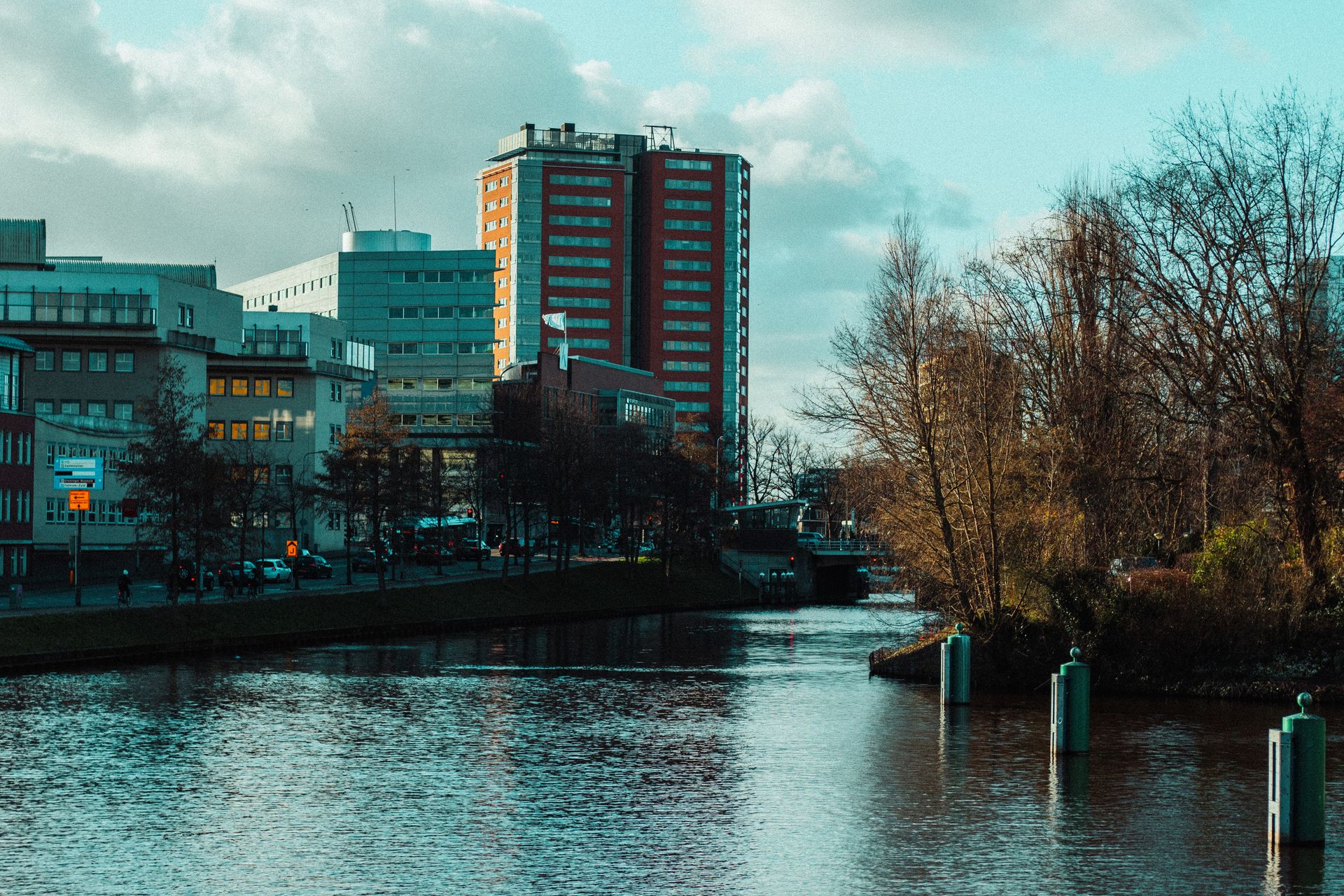
Today, this history is visible throughout the city. Historic canals, old merchant houses, and landmarks such as the Martini Tower reflect Groningen’s past. At the same time, the city is modern and forward-looking, with innovative architecture and cultural institutions like the Forum Groningen. For expats, this blend of old and new creates a city with depth and character, where learning Dutch also means learning about the culture behind the language.
A Young and International City
Groningen is widely known as one of the Netherlands’ major student cities. Around 25 percent of the population consists of students, giving the city a youthful and energetic atmosphere. The University of Groningen and Hanze University of Applied Sciences attract students, researchers, and professionals from all over the world.
Because Groningen is the capital of the province, it also attracts international professionals working in sectors such as healthcare, education, technology, and research. English is widely spoken in professional and academic environments, which helps newcomers settle in quickly. At the same time, Dutch remains the main language of daily life — in neighbourhoods, shops, cafés, and social situations. This balance makes Groningen especially suitable for expats who want to learn Dutch while integrating naturally.
Fun Facts About Groningen
Groningen has several characteristics that make it unique among Dutch cities. The city centre is largely car-free and designed for bicycles, earning Groningen its reputation as one of the most bike-friendly cities in the Netherlands. It is also one of the few cities with a 24-hour nightlife, driven by its large student population.
Groningen regularly ranks high for safety, happiness, and quality of life. The Vismarkt has been a central meeting place for trade and social life for centuries, while the Forum Groningen has become a modern cultural hub offering libraries, exhibitions, cinemas, and panoramic views over the city.
Why Learning Dutch in Groningen Works So Well
One of the main frustrations for people learning Dutch in the Netherlands is that locals often switch to English. While this is meant to be helpful, it can slow down language progress. Groningen offers a healthier balance. Locals are generally comfortable speaking English, but they are also patient and encouraging when internationals make an effort to speak Dutch.
Because Groningen is compact and community-oriented, there are countless opportunities to practice Dutch every day. Ordering coffee, chatting with neighbours, joining a sports club, or speaking with colleagues all become natural learning moments. These low-pressure interactions help learners build confidence and make steady progress.
Expats may also notice a slight northern accent in Groningen. While standard Dutch is used in education and professional settings, local speech can sound different from what learners hear in the Randstad. This accent is part of the local identity and helps learners become better listeners, preparing them for real-life Dutch across the country.
Learning Dutch Beyond the Classroom
Learning Dutch is about more than grammar and vocabulary. It also involves understanding Dutch communication styles, social norms, and cultural habits. Dutch communication is often direct, practical, and honest, which can take some time to get used to.
By living in Groningen and actively engaging with locals, expats learn how Dutch is used in real situations — at work, during social activities, and in public spaces. Even basic Dutch skills can make a noticeable difference in workplace relationships, helping expats feel more included and confident.
Where Expats Can Learn Dutch in Groningen
There are many ways to learn Dutch in Groningen, depending on personal goals and schedules. Language schools offer structured courses focused on daily life, work, or integration. Online Dutch courses with live teachers are particularly popular among working professionals who need flexibility.
University and adult education programmes offer more academic or exam-oriented learning paths. In addition, language exchange groups, conversation cafés, and private tutoring provide informal and personalised ways to practice speaking Dutch. Many expats combine structured lessons with informal practice to achieve faster and more sustainable progress.
Connecting With Other Expats
As a provincial capital and student city, Groningen has a strong and active international community. Expats can easily connect with others through Meetup groups, language exchange events, university networks, sports clubs, and cultural organisations.
These communities offer social support and shared experiences, making it easier to practice Dutch in a relaxed environment and build meaningful friendships. For many internationals, this social connection is an essential part of successful integration.
A Local Perspective on Groningen
Having grown up in Aduard, a small town close to Groningen, and having studied in the city for five years, I have a strong connection to both the city and the wider province. This local background provides insight not only into Groningen itself, but also into life in the north of the Netherlands more broadly.
Understanding the region, its people, and its communication style helps internationals feel more comfortable as they settle in and begin learning Dutch.
Learning Dutch With Tobian Language School
At Tobian Language School, expats can learn Dutch in Groningen through both live online lessons and in-person lessons in the city. Courses are tailored to individual goals, levels, and schedules, with a strong focus on real-life communication, confidence, and cultural understanding.
You can learn more about our Dutch courses here: https://tobian-languageschool.com/language-courses/dutch/
Start learning Dutch in Groningen
Thinking about learning Dutch in Groningen? You are welcome to book a free introduction chat to discuss your level, goals, and the best way to start learning Dutch in a way that fits your life.
Conclusion
Learning Dutch in Groningen is a smart and rewarding choice for internationals. As the capital of the province of Groningen, the city combines regional importance with a welcoming, international character. Its rich history, youthful energy, bike-friendly design, and strong expat community create an environment where learning Dutch feels natural and achievable. With the right mix of lessons, daily practice, and community, Groningen becomes a place where internationals truly feel at home.
Frequently Asked Questions
Are private language lessons better than group lessons?
Private lessons provide more individual attention, personalized feedback and control over your learning pace. Small-group lessons are more affordable and offer peer-to-peer practice. Which is better depends on what you value most.
Do you learn a language faster with private lessons?
Private tuition can make more efficient use of lesson time because the entire lesson can be adapted to one learner. However, there is no reliable scientific formula showing that one private lesson equals a specific number of group lessons.
How many students are in Tobian's group lessons?
Tobian’s small-group lessons consist of 2-3 students, allowing learners to practise together while still receiving substantial teacher attention.
Can I take group lessons with a friend or partner?
Yes. This can be an excellent option when you have similar language levels, schedules and learning goals.
Are group lessons cheaper than private lessons?
Generally, yes. Because the teacher’s time is shared between several learners, the cost per student is lower.

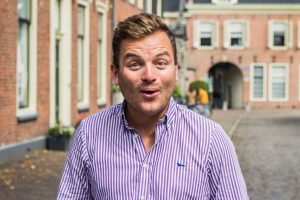
Tobias is a polyglot, traveller and founder of the Tobian Language School.