How to Order a Coffee Around the World: A Guide to Coffee Culture & Language ☕
- January 22, 2026
- By Tobias Woudt
Coffee is more than just a drink. It is a daily ritual, a social connector, and a global cultural symbol. From standing at espresso bars in Italy to traditional coffee ceremonies in Ethiopia, coffee brings people together across borders.
At Tobian Language School, we believe that learning a new language starts with the essentials. And what is more essential than ordering your morning brew?
Whether you want to learn Spanish, French, or Mandarin, mastering this simple interaction builds confidence.

Table of Contents
How to Order Coffee in 10 Languages
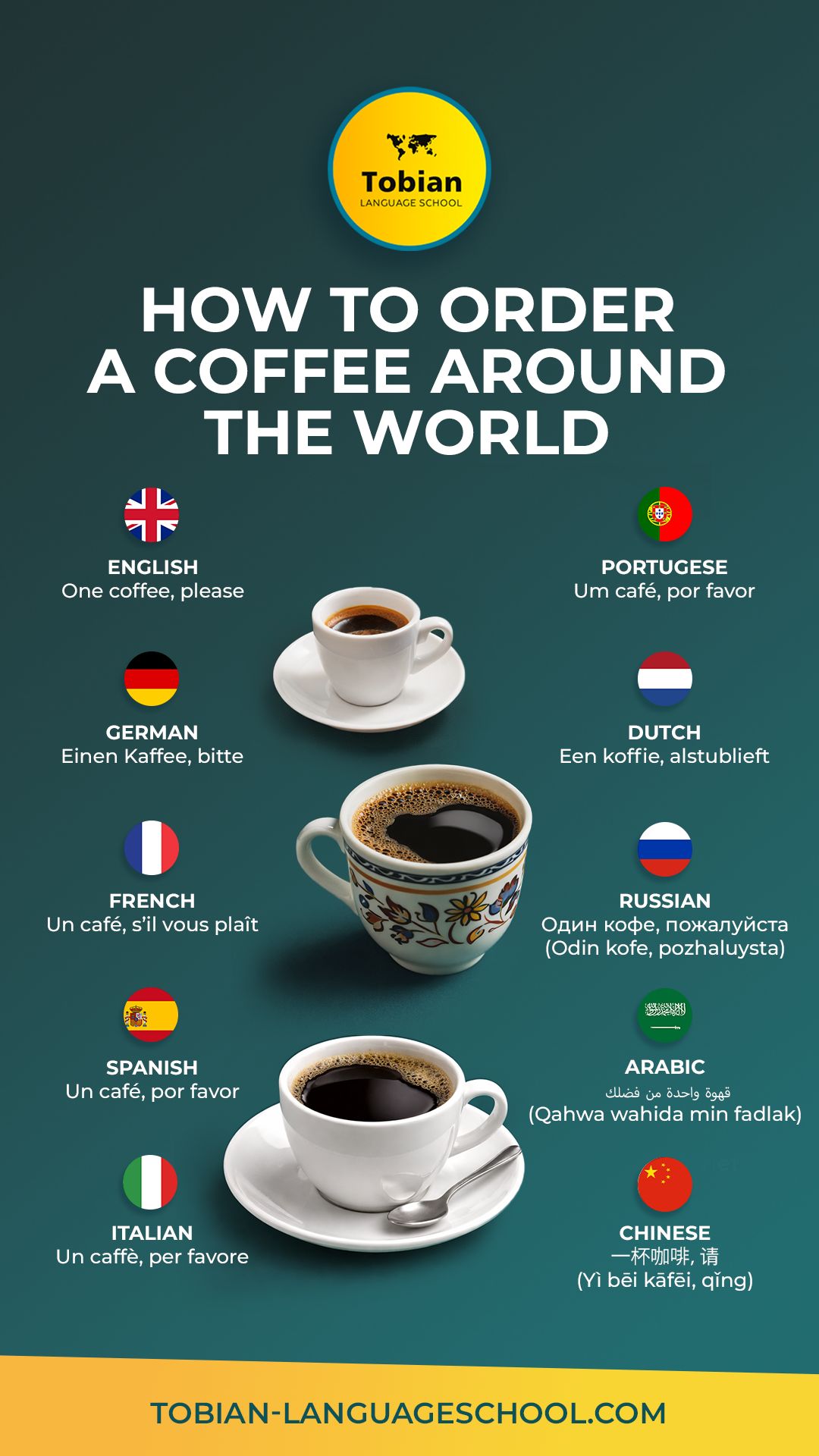
Here is your essential cheat sheet for ordering coffee around the globe:
English: One coffee, please
German: Einen Kaffee, bitte
French: Un café, s’il vous plaît
Spanish: Un café, por favor
Italian: Un caffè, per favore
Portuguese: Um café, por favor
Dutch: Een koffie, alstublieft
Russian: Один кофе, пожалуйста (Odin kofe, pozhaluysta)
Arabic: قهوة واحدة من فضلك (Qahwa wahida min fadlak)
Chinese (Mandarin): 一杯咖啡,请 (Yì bēi kāfēi, qǐng)
A Short History of Coffee: The Origins
Coffee’s story begins in Ethiopia, where legend says a goat herder named Kaldi noticed his goats becoming energetic after eating berries from a certain tree. Those berries were coffee cherries. From Ethiopia, coffee spread to the Arabian Peninsula, where it became an integral part of social and religious life.
By the 15th century, coffee houses — known as qahveh khaneh — appeared in cities like Mecca and Cairo. These early cafés became centers for conversation, music, business and politics. From there, coffee traveled to Europe, where cafés flourished in cities like Venice, Paris, Vienna and London.
Coffee soon crossed the Atlantic to the Americas. Brazil became a global coffee powerhouse, and today it remains the world’s largest producer. What began as a regional tradition has evolved into one of the most globally consumed beverages in history.
Why Do People Drink Coffee?
Beyond the caffeine boost, coffee serves distinct purposes:
- Energy and Focus
Coffee stimulates the central nervous system and helps improve concentration, alertness and productivity. For many, it’s an essential start to the day. - Ritual and Comfort
Morning coffee routines create structure and calm. Whether brewed at home or bought at a café, coffee marks moments of pause. - Social Connection
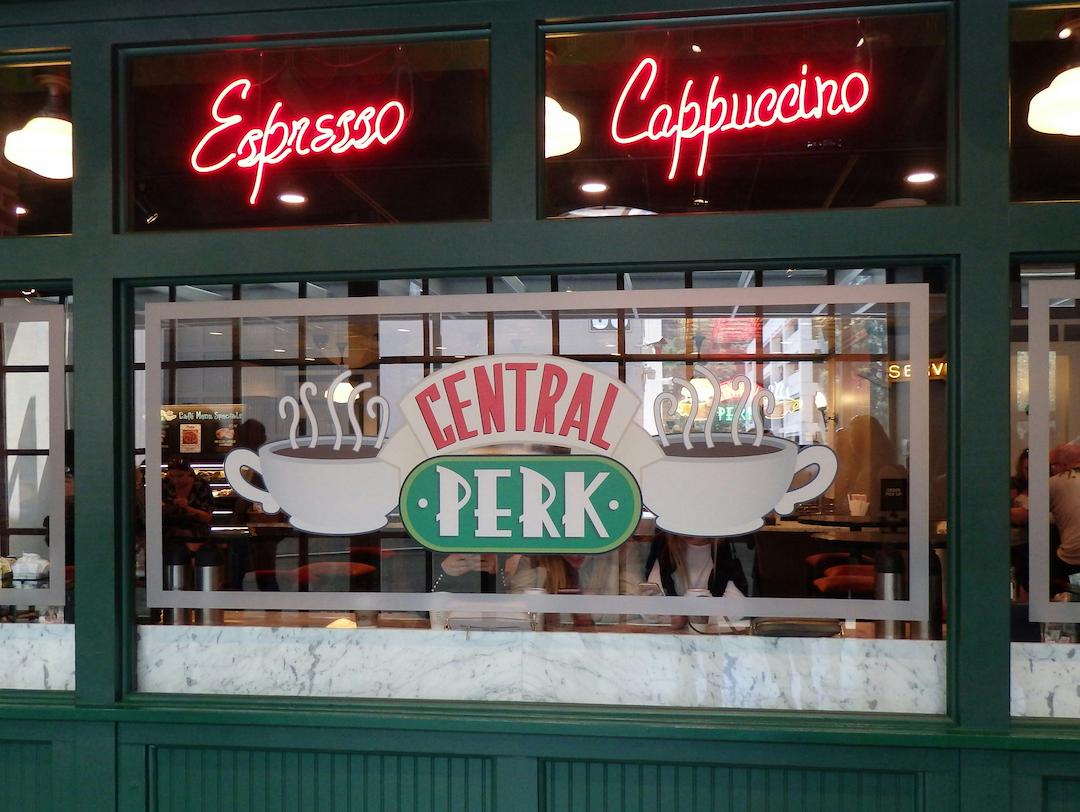
Meeting someone “for a coffee” is a universal phrase. Coffee brings people together for conversations, friendships, meetings and dates. Think of the world popular series Friends. - Cultural Identity
In Italy, coffee is quick and standing at the bar. In Turkey, it’s slow and ceremonial. In Sweden, fika is a cultural institution. Each culture has its own relationship with coffee.
Global Coffee Statistics: Who Drinks the Most?
If you are looking to immerse yourself in coffee culture, these countries consume the most coffee per capita:
- Finland 🇫🇮
- Norway 🇳🇴
- Iceland 🇮🇸
- Denmark 🇩🇰
- The Netherlands 🇳🇱
In many of these countries, coffee is deeply embedded in daily life and work culture.
The World’s Top Coffee Exporters
Every cup tells a global story involving farmers and traders. Coffee is one of the most traded commodities in the world. The largest coffee-exporting countries include:
- Brazil – The world’s largest producer and exporter
- Vietnam – A major producer of robusta coffee
- Colombia – Known for high-quality arabica
- Indonesia
- Ethiopia
- Honduras
Modern Coffee Culture & The Rise of the Barista
The evolution from traditional diners to modern coffee shops has changed how we speak about coffee.
From Traditional Cafés to Global Chains
Cafés once served simple black coffee. Today, menus include cappuccinos, flat whites, lattes, iced coffee, oat milk options and specialty brews.
The Rise of Specialty Coffee
Consumers are now more aware of bean origins, roast profiles and brewing methods.
Home Brewing Revolution
Machines like Nespresso, AeroPress, pour-over kits and espresso makers have turned kitchens into mini cafés.
Sustainability and Ethics
More people care about fair trade, organic beans and ethical sourcing.
Coffee and Language Learning: A Natural Connection
Ordering a coffee is often a student’s first “real world” success. At Tobian Language School, we have over 200 teachers from 70+ countries who bring their local culture into the classroom.
Whether you are discussing the proper time to drink a cappuccino in Italy (never after 11 AM!) or how to prepare Turkish coffee, our lessons go beyond grammar—they connect you to the culture.
Coffee breaks often become conversation moments in lessons. They create relaxed atmospheres and meaningful cultural exchanges.

Spotlight: The Dutch "Taalcafé" Phenomenon 🇳🇱
In some countries, coffee culture and language learning are deliberately combined.
A perfect example is the Dutch Language Café (or Taalcafé).
These are special gatherings in the Netherlands designed specifically for locals and expats to mix, drink coffee, and practice speaking Dutch in a relaxed, non-judgmental environment.
It is the ultimate way to take your new phrase—”Een koffie, alstublieft“—for a test drive.
Want to visit one? Read our complete guide on How to Find and Visit Dutch Language Cafés.
Frequently Asked Questions About Coffee Culture
What country drinks the most coffee?
Finland consumes the most coffee per capita in the world, with the average Finn drinking nearly four cups a day.
Where did coffee originate?
Coffee originated in Ethiopia, where legend claims it was discovered by a goat herder named Kaldi.
How do I order coffee in Paris?
To order in French, simply say, “Un café, s’il vous plaît.“
It is polite to greet the barista with a “Bonjour” first!
Ready to Order Your First Coffee Abroad? 🌍
Start your language journey today. We support students worldwide with:
- Experienced teachers
- Personal study plans
- Flexible scheduling
- Online live lessons
- Study materials included
- Exams and certificates
- Free introduction chats
Learning a language is not just about grammar — it’s about culture, connection and real-life communication.
And sometimes, it starts with a simple phrase:
“One coffee, please.” ☕
Tobias is a polyglot, traveller and founder of the Tobian Language School.